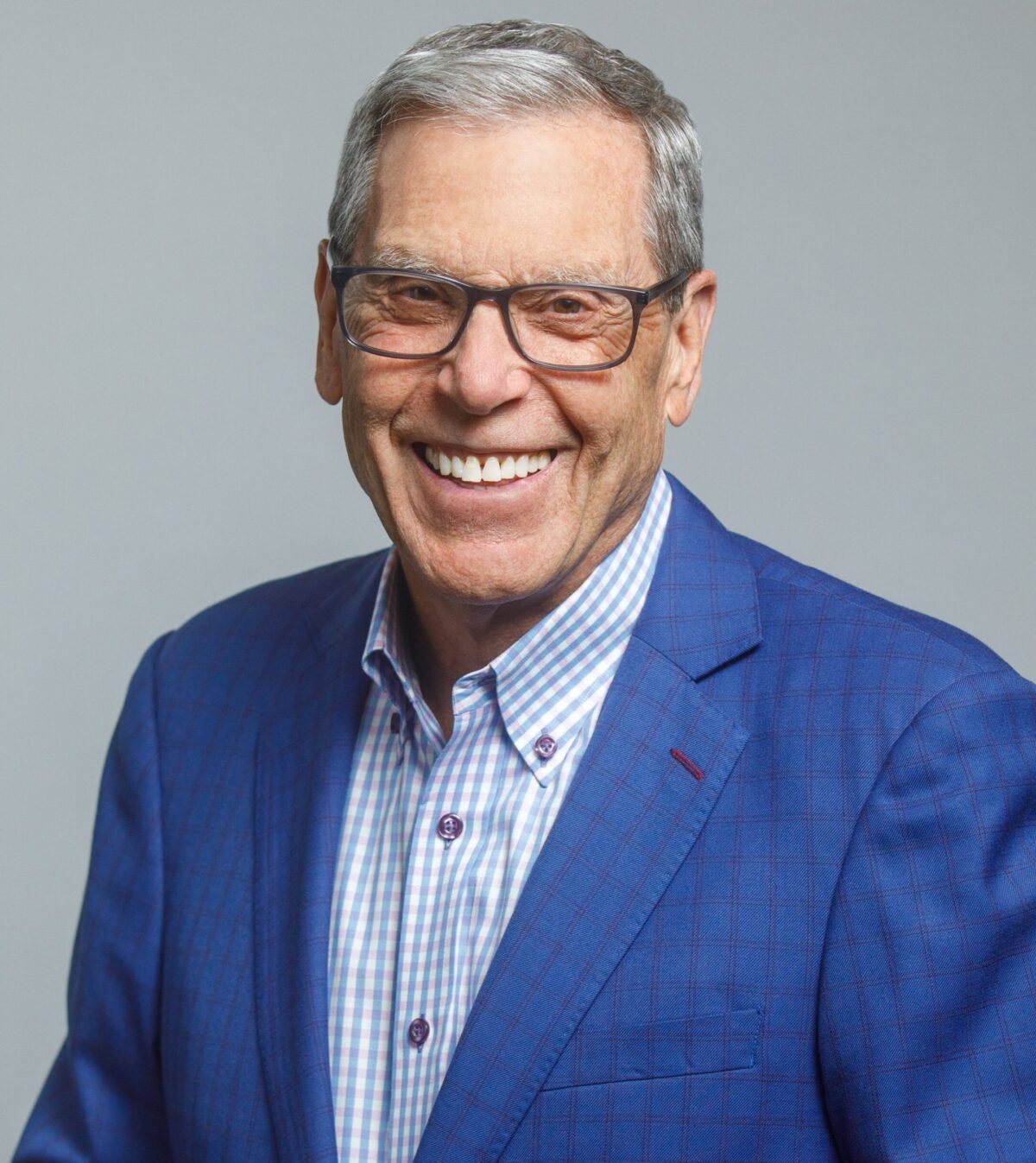
Bill Cates [00:00:00]:
Welcome. Welcome. You know, I’ve been working in financial services for over 30 years. I’ve seen a lot of changes and trends over that time. And as you well know, one trend today is that of becoming a more holistic advisor. Now I know that means different things to different people. Well, just recently, right after a presentation for a broker dealer conference, I was standing in the buffet line for lunch and advisor told me that she has embraced a more holistic approach.
Bill Cates [00:00:35]:
And I was curious. I said, tell me more. And she says, well, I cover the four main legs of the financial planning stool. I cover investments, risk management, estate planning and taxes. And I commended her approach. Unfortunately, I didn’t have the time to tell her that I thought her approach wasn’t as holistic as it could be and maybe should be. So I view proper financial planning as a delicate ecosystem made up of about seven to nine subsystems. And when any one of these subsystems is out of balance, the entire ecosystem suffers, meaning that the financial planning is incomplete and the client suffers.
Bill Cates [00:01:12]:
Now we could debate all the subsystems that can be brought to bear in holistic financial planning, but I think most advisors would agree on these investment strategies. Risk management, tax planning, estate planning, legacy planning, retirement and income planning, budgeting or cash flow management and behavior and decision making. And if you serve business owners, we could add business value building and exit planning. All right, it’s pop quiz time. Are you ready? Don’t worry, there’s no math. Spelling doesn’t count. Of all the subsystems of the financial planning ecosystem that I just rattled off, which one is the most fundamental? The one that impacts every other part of the system. And your answer is? Well, I would contend it would be cash flow management or as today’s feature guest would say, income under management.
Bill Cates [00:02:05]:
Now stay with me because I think you’re going to find today’s discussion to be one of those kind of blinding flashes of the obvious that maybe you’ve been overlooking. If you apply the concepts we discussed today, you’ll be a better advisor to your clients. You’ll get more referrals to the right people, you’ll convert more prospects into clients, and you’ll run a more profitable business. And I’m not overstating these benefits. This claim is based on my interviews of several top level advisors who are using the strategies that we’ll be discussing today. Now, today’s show is sponsored by Nexruto. Nexruto helps financial advisors attract and engage qualified pre retirees in their local market by filling educational seminars with high intent prospects and turning Those folks in the audiences into new client opportunities. You can learn more@nextrudo.com that’s n e x R-U-T-O.com.
Bill Cates [00:03:00]:
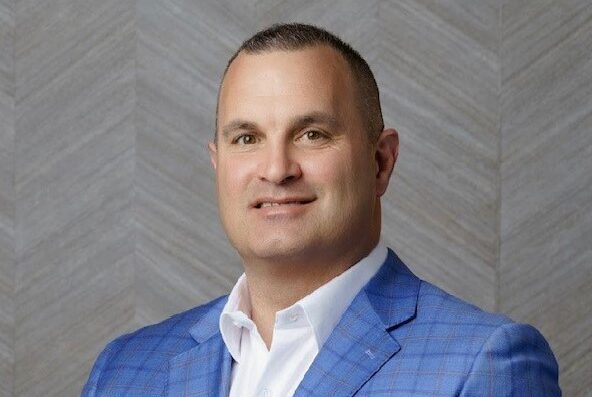
I’ll talk a little more about them later in the show. All right, so today’s featured guest is David Mozeika. First and foremost, David has been still is a top performing financial advisor for 24 years. He’s ranked consistently in the top 1% of his peers and is recognized as a top advisor by Forbes. David has also developed a process for helping his clients manage their cash flow so they take full advantage of all the financial planning tools at their disposal. David discovered that helping his clients create discipline around their cash flow was fundamental to proper planning. It was in their best interest and just happened to be a great way to build a successful practice. I’ll let David tell his whole story, but you’ll see how.
Bill Cates [00:03:48]:
David has formalized this part of the financial planning ecosystem system with a tool called Currents, which he co founded with successful financial advisor Vincent De Donna. Now Currents helps financial advisors grow their practice with a focus on yes, client cash flow. And David owns the registered trademark of a process called Income Under Management, a system that allows financial advisors to help manage their clients income before it hits their spending accounts. Right, key thing there. This proprietary system flips savings on its head enabling advisors to be, to be more effectively in growing and protecting their clients wealth. So sorry for the long run up folks and David, David Mozeika zooming in from Belmar, New Jersey. Welcome to Top Advisor Podcast.
David Mozeika [00:04:39]:
It’s great Bill, thank you for having me. Really excited to be here and grateful for the platform to share my story with your audience and you know, part of my, my mission is really just to, to help influence the industry and the profession and just allow us to, to, to you know, I just love collaborative environments where people are sharing their best stuff and, and contributing to each other.
Bill Cates [00:04:59]:
Yeah, and I just, when I, when I heard about what you were doing, I go yeah, I mean why isn’t, why aren’t advisors doing more of this? And then, and then after interviewing some, it’s, it’s, it’s. I got excited about it and, and I don’t always get that excited, but I am. So anyway, before we get into the topic of income under management, we’ll dive into that. Just give us a little bit of your story, kind of your growth and success as an advisor and how you eventually came to focus on cash flow management as a core part of your work.
David Mozeika [00:05:29]:
You know, I started right out of college 2001, I graduated college on a Thursday and I was a life insurance agent on Monday. And you know, listen, I got some incredible education on how to be in the financial services business from a big organization. I spent three years there. I quickly outgrew it. You know, I, I, I won a bunch of accolades and awards and, and you know, it was a great. Listen, I would never give that experience back. Cause it really, if I didn’t start where I started, I don’t know that I’d still be in the business. It taught me a lot of discipline, it taught me a lot of really just basic education on the industry and, and, and, and also helped me understand the level of activity that you need to, to survive in this business and ultimately thrive.
David Mozeika [00:06:09]:
And so I, you know, I, I’m grateful for that. That was the first three years of my career and then I joined another organization and spent 19 years there. Here, you know, in that my second stop. You know, we, we were trained differently. We were, we were, we, we saw the world and trained third party frankly in, in, in, in the macro and, and the, the total holistic planning and understanding of really macroeconomics and how it relates to not only how do you play offense financially, but how do you play defense as well and understanding that money is finite and that you need your dollars to work as hard as they possibly can. And, and so that was sort of the genesis of, of when I was brought into like planning, like the real side of, of planning. And during that journey and constantly looking at things in a more holistic macro view, cash flow was something that always I found interesting. I just, you know, first of all, I would get frustrated early in my career when I would make recommendations to clients and, and I would realize, you know, like this is like a no brainer.
David Mozeika [00:07:14]:
And then people would not implement or they just didn’t have confidence to implement some of the things that I was suggesting. And to me it was just clear as day. And I just started to really think about why is it that people are not taking action. What I realized was that people, people just lack confidence in their ability to do something over an extended period of time. And it really came back to their cash flow. And people, we look at it, Americans in general. I think the Federal Reserve publishes every month. The average savings rate is largely around 4%.
David Mozeika [00:07:51]:
Every month something like 4.2, 3.8, 4.5, but call it 4%. Americans have a savings rate problem, but I believe it’s a symptom of the problem. And so when I was, during my Run up in my career. I would call it the tale of two careers. The first half was I was really good at, you know, selling products and, and I was productive and, and I had a good education, but I always felt like I was starting at zero. I felt like I woke up unemployed every single day. And then I realized that, duh, like cash flow is the, is the, is the thing. And, and when you can claim the frame around cash flow, what ended up happening was I helped communicate to my clients that every choice that you make is really about cash flow.
David Mozeika [00:08:35]:
And, and it’s all either you’re either always protecting or growing your cash flow, and that’s all we can do or spend it. And so when I claim that frame with the clients, then my career just took off. And we’ll dive, I’m sure we’re going to dive more into what income under management is and what I mean by that more specifically. And then I started my own firm and then later built what is now Currents.
Bill Cates [00:08:58]:
Yeah, good. And we are going to dive into that and let’s do it now, in fact. So my first question is this, is cash flow management and. Or income under management? Is it just a fancy way to discuss the dreaded budgeting or is it different than budgeting and why is it so important?
David Mozeika [00:09:19]:
You can look at. If I’m sitting down with a client who’s not achieving what they want to achieve financially. Our industry gives people really two solutions to that problem. One is budgeting, right? And what budgeting is, is about minimization. It’s about. It makes people feel like they are the problem, as if they are the problem. And the problem with budgeting is there’s a lot of external forces that are working against us because it’s just the world that we live in is just designed to spend money. It makes it.
David Mozeika [00:09:53]:
There’s a lot of conveniences out there to make it easy to consume. Therefore our financial strategies fall victim to that. Right? You know, so in order for me to budget and be successful, I have to one, deprive myself of something, enjoyment, or deprive my family of something and, and admit that, or maybe perhaps think that I am the problem. It’s not a successful thing. And the reality is it takes a lot of manual effort, human behavior over an extended period of time for it to work. And no one’s been able to prove that they can do that because the average American household, from what I research, is about 6 to 900 financial transactions per month. And the problem with budgeting is that it’s it’s like a rear view look at what you, you know what, where you’ve already spent your money. So it’s kind of retroactive as opposed to proactive.
David Mozeika [00:10:39]:
Now the other solution that our industry comes up with is go get a higher rate of return so you can’t save money and you know you’re not going to get to where you want to be. So you know what? Just why don’t you just take on a whole bunch more risk and, and then that’s going to help you get to where you know you’re going to get a better rate of return. Because this portfolio is better than that portfolio or this product’s better than that product. And, and you know, the better, the
Bill Cates [00:11:02]:
better rate of return is going to save you from your behavior is kind of what you’re saying.
David Mozeika [00:11:05]:
Yeah, right.
Bill Cates [00:11:06]:
It’s like, yeah, okay.
David Mozeika [00:11:07]:
And the reality is, is if you, you know, if you can’t save any money, you can get 100 on, on zero, it’s still zero. So. But I don’t think people need to take unnecessary risk to get to where they want to be. So, so basically what, what our process does and what we kind of stumbled across when, you know, when I talk about the, the entry point to the second half of my career was one of the things we discovered was that people don’t have a savings rate problem, they have a flow of funds problem, meaning that their money is flowing in the wrong direction. So, well, I’ll, I’ll, I’ll explain this way, people make money and it falls and it, the gravity is pulling it right into their checking account. That is the default order of operations. Every single, you know, just in general, every American has their paycheck or any income source they have goes right into their checking account, which is an expense account. It’s designed to spend money and pay bills.
David Mozeika [00:11:57]:
And then maybe after the month, at the end of the month, if there’s money left over, maybe we will manually opt in to save money. And it takes a lot of human behavior, a lot of effort, and it’s really difficult. And frankly, I would make the case that, you know, my thesis is that’s why people aren’t saving money is that, is that their default is just consume. We call it unconscious consumption.
Bill Cates [00:12:18]:
Right.
David Mozeika [00:12:19]:
What we did with Income under management is we actually reversed the flow of funds. We created a separate account for our clients. We call it a reservoir and it’s an intercept. It’s, it’s money is the first pit stop for your money. When you make a dollar and what happens is it’s, it’s so your paycheck will now go into your reservoir. And then what you do is you choose how much money goes to your checking account for consumption. And when we did that, what we did was we disconnected spending from income. And then the results over time were just transformative because as people’s income started rising, their savings increased, not their spending.
David Mozeika [00:12:57]:
So the default is now saving money. We have unconscious savings. You literally save money on accident and you’re just controlling what we call the baseline of spending. Baseline, which is how much money goes to your checking account.
Bill Cates [00:13:08]:
Let me run something by it, because this is something that I’ve been doing. We hear the expression, you know, pay yourself first. Okay. That, that usually applies to, you know, Pre tax money, 401k. You know, they used to be defined benefit plans. There’s not many of those around anymore.
David Mozeika [00:13:23]:
But.
Bill Cates [00:13:24]:
Right, it was pre tax money. Okay, that’s good. And that’s, that’s, you know, you opt in and that happens and that’s automatic and that’s good. But, but then the rest as you’re saying, hits either the checking account, the spending account or the reservoir, which is more of a distribution account.
David Mozeika [00:13:41]:
Right.
Bill Cates [00:13:41]:
And that’s kind of what I’ve done for my business and my personal life. I just want your comment. If I, and maybe I’m kind of doing this right, is so in for my business and my personal. It goes in two different accounts, but it goes into the main account and then I have automatic distributions from there. Right. I automatically put money into my profit account. I automatically put money into my expense account. I automatically put money in to cover taxes, to cover my compensation.
Bill Cates [00:14:06]:
It’s like it, I make sure it happens automatically. It kind of saves me from, you know, my normal human behavior, which would be to not do that. Is that what you’re talking about? Is that the essence or is there more to it?
David Mozeika [00:14:21]:
That’s the essence. It’s actually much simpler.
Bill Cates [00:14:23]:
Okay, so think about, make it simpler, please.
David Mozeika [00:14:28]:
So, well, let me just answer the first question which was, you know, how is this different than budgeting? So the industry solutions are budgeting, right, which is really difficult and takes a lot of human behavior. It’s chasing rates of return and you know, accepting unnecessary risk, which we all know how that tends to work out. Or number three, what if you could live the life you’re living today, take the same amount of risk that you’re living. But you know what, why don’t we just separate spending from income so that over time as your Income goes up. Your spending doesn’t necessarily run in parallel.
Bill Cates [00:14:56]:
Yes. Spending inflation as your income goes up. Yes.
David Mozeika [00:14:59]:
Yeah. So we want to break the correlation.
Bill Cates [00:15:01]:
Yes.
David Mozeika [00:15:02]:
Which happens in the checking account, between your spending amount and your income by creating something, a layer in between. So to answer your second question, which is, you know, what I said, it’s much more simple. You know, you have many different. And think about your personal side of this. Right. You have many different income streams. You’re an author, you’re a business owner. You have different, you know, you know, sources of income.
David Mozeika [00:15:24]:
And just like any other business owner, Right. You, you know, if. If somebody has payroll, right. They’re getting a paycheck. Are you taking distributions from your business? What. What ends up happening for most people is it goes to the personal checking account.
Bill Cates [00:15:37]:
Right.
David Mozeika [00:15:38]:
And that’s where the gravity takes place. What we’re saying is just have it pit stop into this first account called a reservoir, and then choose a fixed amount that gets automatically transferred to your checking account. And that’s. That’s really all it is.
Bill Cates [00:15:51]:
I see.
David Mozeika [00:15:51]:
And then you do your planning to all the advisors on the call. Your planning is done in that frictionless environment before the checking account, as opposed to after Amazon and Netflix.
Bill Cates [00:16:02]:
And what this does is the net benefit is it creates more opportunity for the client to save and invest that they might not have done otherwise.
David Mozeika [00:16:18]:
Totally.
Bill Cates [00:16:19]:
Which is also good for the advisor. Right?
David Mozeika [00:16:21]:
Exactly. So it’s a perfect win, win. And you. You end up with a more symbiotic relationship where you’re rooting for each other, as opposed to our clients thinking that we just want to sell them another financial product.
Bill Cates [00:16:31]:
Yeah. Yeah. All right, so let’s talk about. Is there anything more about income under management and how that works? Have we kind of hit that? Because I want to get into currents. I want to get into the tool that you develop, but I don’t want to do it prematurely. Is there anything else around the. I, um, that.
David Mozeika [00:16:49]:
Well, but I would say is, you know, we talk about cash flow management, which is a term that’s used very loosely. And, you know, it’s kind of a buzzword in the. In the marketing side of our industry right now. Right. I would say that with currents and with income under management, what you’re doing is you’re telling your money where to go as opposed to trying to change the behavior after it’s already gone somewhere. And I think that behavioral interrupt is very different. So, like, just look at it as a simple math problem, Bill. If you.
David Mozeika [00:17:17]:
If you take home income was $10,000 a month, and your goal was to save $1,000. What, what most people are doing is having $10,000 going to their checking account and trying to manually save a thousand bucks at the end of the month. What we’re saying is structure your client’s cash flow so that bill’s $10,000 of income is going into his reservoir, which is. Lives on the asset side of their balance sheet, and then the Reservoir is sending $9,000 to their checking account. So you automatically save the thousand bucks.
Bill Cates [00:17:44]:
Right.
David Mozeika [00:17:45]:
And then when your income goes up, then it’s automatically going to go in the reservoir, not in the checking account, and get eaten alive by the outside world.
Bill Cates [00:17:51]:
Yeah. All right, so next step, Currents, which is a tool that you’ve developed to. That a lot of advisors are using. So I’m curious. We’re going to get into that a lot more. But I’m curious about when you first or you and another advisor introduces this income under management concept. Really, even before we talk about currents, how do they react? How does. Is there resistance from clients, or do they automatically kind of get it and go, oh, how come my last advisor didn’t tell me that? That’s brilliant.
Bill Cates [00:18:30]:
I mean, what kind of client reaction do you get?
David Mozeika [00:18:32]:
I guess I would say the latter. You know, we’ve perfected narratives and conversations of, or ways to engage clients to help them understand the impact that their current flow of funds has on their life. And then we, we have tools that we show them the alternative. And it becomes so obvious to them that this is, you know, it, it’s. Yeah, they have an epiphany. And, and, and so, and that’s the enrolling part about what Currents is. And, you know, you’re able to advise and give clients value immediately without selling them any kind of financial products or replacing them. You’re just giving them a structural solution to their cash flow that allows them to see a different version of themselves into the future.
David Mozeika [00:19:18]:
And we have tools that we calculate it and it’s. And the narratives, I would say, are the key because before we built a platform to make it more tangible for the client, we had to be really good with some of these exercises that we teach our clients.
Bill Cates [00:19:31]:
And, and, you know, I was interviewing one, one of the, one of the advisors that uses currents, and he said that more than once he’s had clients saying to him, you have transformed my life. And, you know, we can provide great products, we can provide great experiences, but at the end of the day, what people really covet, love, and will make you super referable is the transformation you create for them.
David Mozeika [00:19:59]:
Yes.
Bill Cates [00:19:59]:
And this is, this is what you, what you guys are doing. I got a bunch of questions. We’re going to dig in the currents and and but first let’s take a quick break for a word from the folks who make this show possible. You and I know that the way most people find their financial advisor is through human to human connections such as referrals and events. Hosting educational events for qualified prospects is a tried and true strategy that is still producing great results for advisors who know how to make them work. Seminar marketing works because the in person setting allows you to build that all important trust with the attendees. And one of the key ingredients in making seminar marketing work is getting the right people, truly qualified prospects to attend. This is where Nexrudo comes in.
Bill Cates [00:20:51]:
This is their special expertise, getting the right people in the seats. Nextrudo handles the heavy lifting so you can focus on earning their business. Nuxtrudo can help you design the seminar if you wish, train you to present it effectively and create customized territories targeting your ideal market. They even handle compliance approvals if necessary. And here’s the best part. Their specialty is getting pre retirees, specifically Those with about $1 million in investable assets, into the room with you. Nextrudo promotes the event getting bodies in the seats. So you just show up and bring your great value.
Bill Cates [00:21:32]:
Spur attendees to action and set appointments. And because Nexruto guarantees exclusive marketing rights, you’ll never have to worry about them reselling your leads to the advisor down the street. They even offer ongoing marketing support to help you create a true sales process that ensures your prospect lists are always fresh, responsive and eager to meet with you. You’ll be working with the owner, Steve Abbott, who provides incredible customer support without any pressure. Steve makes it easier for you to see if this is a right fit model for you. I’ve looked at nexruto’s model and I’ve looked at other models and nexruto does offer some features and value the other firms just don’t. So head over to NexRuto.com that’s N-E-X-R-U-T-O.com and request your free local market report. You’ll see exactly how many millionaire pre retires live in your area, broken down by age and assets.
Bill Cates [00:22:31]:
Again, head over to nexruto.com n e X-R-U-T-O.com for your free market report and to schedule a complimentary strategy session to see if it makes sense. For you. That link is also in the show notes. Now back to the show. I’m pleased to say that I’ll be speaking at David’s upcoming conference, aptly titled Income Under Management Summit in Nashville on July 19, 2021. I should say that better right? July 19 through 21. And as I do for most of my presentations, I interview some of the attendees to make sure that all my remarks are relevant. And one of the advisors I interviewed, this was a different one than I just mentioned, said a few things.
Bill Cates [00:23:12]:
He said, first of all, he only works with clients who buy into cash flow management as a core part of their work. That’s how important it is to him and serving his clients. Now here’s the kicker. He told me that he averages 2.5 referrals per client, which is huge. I’ve been teaching referrals for a long time and I know that’s huge. And because of his process, his conversion rate from prospect to client is 90%, which is also huge. So I’d like you to comment on this. I mean, how come advisors ignored such a basic process that brings so much value to the clients and to the advisor?
David Mozeika [00:24:01]:
I would say when I started doing this, which started as an experiment with clients about the direction of the money, and we started doing it, we did it manually with either their bank account or a brokerage account and we had incredible outsized results. Me personally as an advisor, the clients had incredible outsized results based upon their savings rate because as people get pay raises, whatnot, they were just, it was incredible. And then I trained a couple other advisors, you know, some of the narratives and some of the things that, and they, they were having outsized results. And ultimately it just, we, we kind of scoured the universe of technologies to say we were tapping ourselves out from a scale perspective because we couldn’t get the data that we needed. And so we scoured the, the industry for technology that could give us net cash flow rates and all the metrics that we know to be able to communicate the impact that we were having on our clients lives. And it didn’t exist and it was just the results were so compelling that you know, we’ve kind of decided to, to come together and say, you know, we need to build it because we need to make it available and to make it available to other advisors in the world so they can help more people. And that’s really where Currents was born because it didn’t exist.
Bill Cates [00:25:12]:
So let’s, let’s jump in, tell us a little bit more about, let’s Jump into the current of current, how advisors are using it. Give us some more of the benefits to clients, to advisors.
David Mozeika [00:25:26]:
I think the biggest benefit that I would say that comes out of using Currents and income under management with your clients is the level of engagement that you have, the level of accountability they have with you and the choices they make because you’re connected to them. You’re connected to every dollar. You have more influence because you’re meeting the client at the paycheck or they’re, you know, at the top of the, what we call the cash flow food chain. Not after they spend money.
Bill Cates [00:25:54]:
Yeah.
David Mozeika [00:25:55]:
And so we become more influential. They are rooting for us. And the thing that I would say became so obvious to me was you get to look more geometrically at who you’re serving, like the audience, your ideal customer profile. And what I mean by that, bill, is that early in my career I was trained to just go find the person that had this certain amount of aum or, or the certain amount of income that had the capacity to like the perfect, perfect, perfect profile client. Well, now I don’t even think about that. What I think about is who is the person that I can attract and moreover, who are they going to be in the future? Because if I take them on now, they will automatically default, grow into the best version of themselves, and every single A, you know, B or C client will automatically grow into an A client in the future. So you end up with an incredible inventory of people that are just having wild success. And then you just become the architect of their cash flow plan because you just help it evolve and evolve and evolve and evolve.
Bill Cates [00:26:56]:
I go back to the word transformation. I think advisors, the best ones, consciously or unconsciously are transforming the lives of their clients. And that’s what you’re speaking to. And this is Currents is a tool. Right. But the more important thing, I think, is the transformation that it helps create. I love the fact that you talked about the more engagement with the client. Because when I teach referrals, what I’ve learned is that there are two ways you have to engage with your clients ongoing.
Bill Cates [00:27:31]:
You have to engage with a value, they have to recognize the value. And then there’s a personal engagement, there’s a business friendship, if you will, that develops. And it sounds like this is one of those tools that really will nurture both sides of that engagement. Is that a fair statement?
David Mozeika [00:27:48]:
100%.
Bill Cates [00:27:50]:
And then you showed me an illustration where since you are so intimate, I love the term, you said meeting them at the paycheck. Right. Not after what’s left over after the paycheck. Right, right. And you can actually see if they have an influx, can’t you? They get a bonus or something. And then you can proactively help them maximize the use of those dollars before they spend them. Is that also a fair statement?
David Mozeika [00:28:16]:
Yeah, 100%. It’s behavioral too, because we perceive. Human beings in general just will perceive money that’s in what they consider an asset, different than money that’s considered like in a checking account that’s going to be replenished every two weeks because that’s when I get paid. I was just on vacation with my family and it wasn’t an inexpensive vacation. But because of the way I was set up, I have to take money from an asset to actually enjoy the vacation more, which is a lot more painful than taking money. If I had extra money in my checking account to consume. Does that make sense?
Bill Cates [00:28:54]:
Yeah, yeah. Total. First of all, before I forget, the website for people to go to, to look a little deeper is Live Currents. Is that the right site? Currents dot com.
David Mozeika [00:29:07]:
Yeah. Or Live currents dot com.
Bill Cates [00:29:09]:
I mean, I meant live. Well, yeah, okay. Live. L, I V E. Currents. I don’t know why I said live. I don’t, I don’t get that. But anyway, Live currents dot com.
Bill Cates [00:29:18]:
Thank you. So is there, is there like a sweet spot? You kind of already hinted at this a little bit, but I guess is there a sweet spot for how an advisor applies this? In other words, does the income of the client make a difference? Probably not. Tell me more.
David Mozeika [00:29:40]:
It doesn’t. I mean, it works for everybody.
Bill Cates [00:29:42]:
Right?
David Mozeika [00:29:42]:
You know, I think every advisor has their own unique niche or ideal customer profile that they’re working in. We work with myself as an advisor, you know, I’m putting my advisor hat on. I’ve worked with a lot of physicians. It was one of the, the niche marketplaces that I was in. And I would love to meet with position coming out of their, their residency or fellowship, right out of their training, and they would get their first job and they were used to living on peanuts as a resident. And then, you know, before they, they make the real money, you set them up on the structure that is current and you know, before they buy the, the car they shouldn’t be driving and the house they shouldn’t buy yet, and you, you just put them on a new trajectory and you watch their income go up, but really ultimately watch their savings go up and then you’re able to allocate funds to create other sources of cash flow because the game of cash flow is not just earned income. It’s how do we create passive sources as well to feed the reservoir, to get momentum in their cash flow. We call it velocity.
David Mozeika [00:30:45]:
And so that’s the game. And the interesting thing is I can have a great balance sheet that looks like I have a lot of net worth. But if that doesn’t translate to quality of life, then what good is it? People live with cash flow. You know, if I want to pay for my kids college, it has to do with cash flow. If I got to get out of debt, it has to do with my cash flow. If I want to retire early, it’s cash flow. If I want to buy a vacation home, it’s cash flow. And so we are constantly helping them understand, and we do it better than anybody, help them understand the choices they make and the impact it’s going to have on their cash flow.
David Mozeika [00:31:18]:
And once you can have those conversations, the impact you can have is endless.
Bill Cates [00:31:23]:
Yeah, this, this is one of those things. Why didn’t somebody tell me this, you know, 40 years ago? Right. Just like compounded interest, you know, why didn’t somebody teach me that when I was younger?
David Mozeika [00:31:34]:
Right.
Bill Cates [00:31:35]:
I had to play. Okay, I caught up. Okay. But you know, it could have been better. Yeah. You know, and by the way, I encourage everybody listening to go into the show notes. There’s a bunch of links there. I’m going to share one in a second, but live currents.com is one.
Bill Cates [00:31:50]:
So as I mentioned previously, I’ll be speaking at your Income Under Management Summit this July in Nashville, July 19, 2021. And my role will be to help the attendees with their messaging around Currents, how to use Currents as a true differentiator, which I believe it is. That’s why I got excited about this in the first place. And also how Currents can be a great tool for generating more referrals because you become more referable, more remarkable, worthy of remark because of the transformation that this will create. So tell us just a little bit about the summit, what advisors might expect and a little quick plug and I’m going to be able to save people $600 if they’re interested, with a special link. But just tell us a little bit about Income Under Management Summit.
David Mozeika [00:32:43]:
So it’s a collaboration. It’s a collaboration of advisors that come together, share their best practices around the idea of cash flow management and planning. And so we believe that the human advisor needs better representation, better education, better support in our industry. It’s moving really fast and we, you know, part of my mission is to keep the humanity, the human in the distribution of financial advice and products. And so everything that we’re doing is about arming the human advisor with better tools, technologically, better education and better support to continuously be the most influential part of people’s financial lives. And so the conference, the summit is all about that. And it’s, it’s a true collaboration. It is not anything more than a powerful education collaborative environment.
Bill Cates [00:33:37]:
Yeah. And I know that some of the advisors are going to be speaking there. They’re going to be just sharing their best practices. You’re going to learn from people who are actually in the trenches doing it. I’m probably one of those rare people from the outside, but hopefully Ally has some value. So go to the show notes everybody and there’s a link there where you can save $600 if you decide you want to go to the summit. And look, if you’re listening to this, after the summit’s over, it’s too late, there’ll be another one. And you should just look into the currents anyway to see if it’s a good fit for what you’re trying to accomplish.
Bill Cates [00:34:15]:
David, as we kind of near the end, is there anything that we didn’t cover that you want to make sure gets said or anything you want to hit home, hit a little harder before we wrap this thing up.
David Mozeika [00:34:30]:
I would say that. We do the best work. Not we currents like we human advisors do the best work and have the biggest influence on people’s lives.
Bill Cates [00:34:46]:
Amen.
David Mozeika [00:34:47]:
Y and I think with the world moving as fast as it is, we need to. I want to do my part to help the industry, to help the, the profession of people come together so that we can remain influential and a part of the, the, the, the distribution of financial advice. Currents for me was, has been a game changer Currents for so many. And there’s. You could talk to so many in our community the impact it’s had on their careers. But more important, what they’ll tell you is the impact it’s had on their clients. It’s really as simple as the direction of money and what can be unlocked for them. I can’t say it enough and you probably won’t understand it until you actually experience it with some of your clients.
David Mozeika [00:35:32]:
Some of the success stories are incredible. You know, at some point we’ll continue to. You put those out there in the public. But just as a quick anecdote, you know, last time we studied the cash flows in currents, people that were in currents for over a year, their savings rates were you know, in the mid 20%, like the entire community. 24, 23, 24% savings rate.
Bill Cates [00:35:56]:
Wow.
David Mozeika [00:35:56]:
Versus 4%, you know, so if you’re looking to increase your business, you know, the easiest way to do that, in my opinion, is to help your clients save more. So if every one of your clients could double their savings rate, your business will double.
Bill Cates [00:36:08]:
Yeah, it’s, it’s almost not like, don’t worry about what their income is, how much is is available.
David Mozeika [00:36:14]:
Right.
Bill Cates [00:36:14]:
How much of the income is available to do the work that you want to do. And by the virtue of the way the business works, you make a little more money with.
David Mozeika [00:36:24]:
And then what I’ll say is, because we didn’t really talk about the current technology is to be clear, what’s actually happening is Currents is, is the advisor’s tool to run an income under management practice. And you have a portal where you can see all of your entire community of clients, what their cash flows are, and you can invite them to open up the Currents reservoir, which is an FDIC insured bank account called a reservoir. And the technology is about delivering the interface, the infrastructure on how to build this cash flow model, this cash flow system for your clients. And we built it in a way, as I said earlier, that we tapped out scale wise where we couldn’t really, we didn’t really know what was going. We knew there was success. But now we actually have a tool that measures it and constantly communicates with our clients, which is why we have such a collaborative environment with them.
Bill Cates [00:37:13]:
Yeah, makes total sense. My featured guest today has been David Mozeika, co founder of Currents Live, currents.com and CEO of his financial planning firm, Tomorrow. Interestingly spelled T O M O R O. That’s fun. David, I want to thanks a billion for being a feature guest today and for, you know, your incredible contribution to our industry. We appreciate you.
David Mozeika [00:37:41]:
Thanks a lot. Bill to you.
Bill Cates [00:37:43]:
The listener of the podcast may ask a small favor. If you like this episode or like the podcast in general, please leave a five star review on the platform. You’re listening to the show. Not all platforms have a place for reviews, but as yours does, we’ll be grateful. Thank you. Don’t forget to check out my newest book, the hidden heist. Thehiddenheist.com A lot of advisors are using it. It’s a parable book and they’re using it as a way to engage with clients and sometimes their clients, adult children around beliefs around money and kind of the financial behavior mindset self talk that we kind of battle against.
Bill Cates [00:38:18]:
With clients thehiddenhiist.com and pay a visit to our resource page. It’s jam packed with free resources to help you attract and retain more right fit clients. Go to referralcoach.com resources it’s in the show note and while these are free to you, I know you’re going to find them quite valuable. Don’t forget to check out our show sponsor, Nexruto. As a reminder, Nexruto helps financial advisors attract and engage qualified pre retirees in their local market by filling educational seminars with high intent prospects and turning those audiences into new client opportunities. Learn more go to nextruto.com that’s n e x r u t o nexruto.com and this is Bill Cates reminding you that ideas do not make you more successful. Only acting on those ideas will bring you the success you desire. Thanks for stopping by.